In 2017, I was on a market survey that felt more like a tour of a “tech graveyard.”
Hydroponic fodder production had a bad to mixed reputation with stakeholders who had high end production systems deployed. I saw pigeons inside a container like production system of which the electronics had broken down and no one serviced it for long periods. Add to it fungus, Mold and a lot of other issues were reported by people who had tried it then. I vividly remember one old granny came out of her house yelling at me thinking i was the supplier of the magic box that was defunct at her premise.
However i knew that there was clear scientific evidence of it on milk yield especially for the livestock that don’t have access to green fodder or are in climate vulnerable areas.
While India is one of the largest milk producers in the world contributing to over 18% of the global production, Fodder production in India has not increased in the last four decades. While the white revolution has made Milk, the basic protein input for over half of India’s Kids & has tremendously lifted India out of malnutrition prevalent a few decades ago.
As the biomass pie is shrinking, so is arable land, water availability, # of farmers. Agri residues, Grains, are getting diverted for Biofuels. Although it does benefit the larger Farmer livelihood-ecosystem, it also disrupts existing systems of livelihood for the same very ecosystem. Competition for land, water, resources (on the supply side) & greater demand for biomass is one of the reasons that is causing the rise in feed input costs which constitute 75% of the cost per litre of milk production, increasing the milk price. Egg prices too have gone up for similar reasons as maize gets diverted to ethanol, & with unstable soya meal prices.
As Food-feed-fuels system conflict with each other, there is a clear need for sustainable localized production & storage.
Over the last 5 years, we have been focused on enabling small & marginal dairy farmers create localized production of high protein fodder. Given that livestock supports over 1/3rd of their Agri income & often guarantees a predictable income to pay for their children’s school fees, our intervention has helped 1000+ customers, prevent losses by up to 25% per season. We are able to add about INR 60 more per cattle per day (coming both from 1. litres more, and savings of 1 Kg of feed concentrate cost)
But we hit a wall: 33% of our customers stop using the systems for some part of the year. The culprit? Seed availability
Maize is the gold standard for hydroponic fodder. It’s cheap and high-protein. But maize harvests happen twice a year and the “clean” (chemical-free) stock vanishes within 60 days. If a farmer buys seed six months later, it’s either dead (won’t germinate) or laced with toxic preservatives that kill the hydroponic cycle
So the question “How do we store maize longer, so our customers continue to win throughout” ? And then how do we distribute it to our customers who are scattered all over? transportation cost will make the input expensive ?
The Real Rocket Science was not about a better tray, IOT, temp control or precision nutrition, but how do we create a seed bank ? How do we keep a seed “alive” for 12 months without chemicals? How do we distribute it to a farmer in a remote corner of the country without the transportation costs eating their profit?
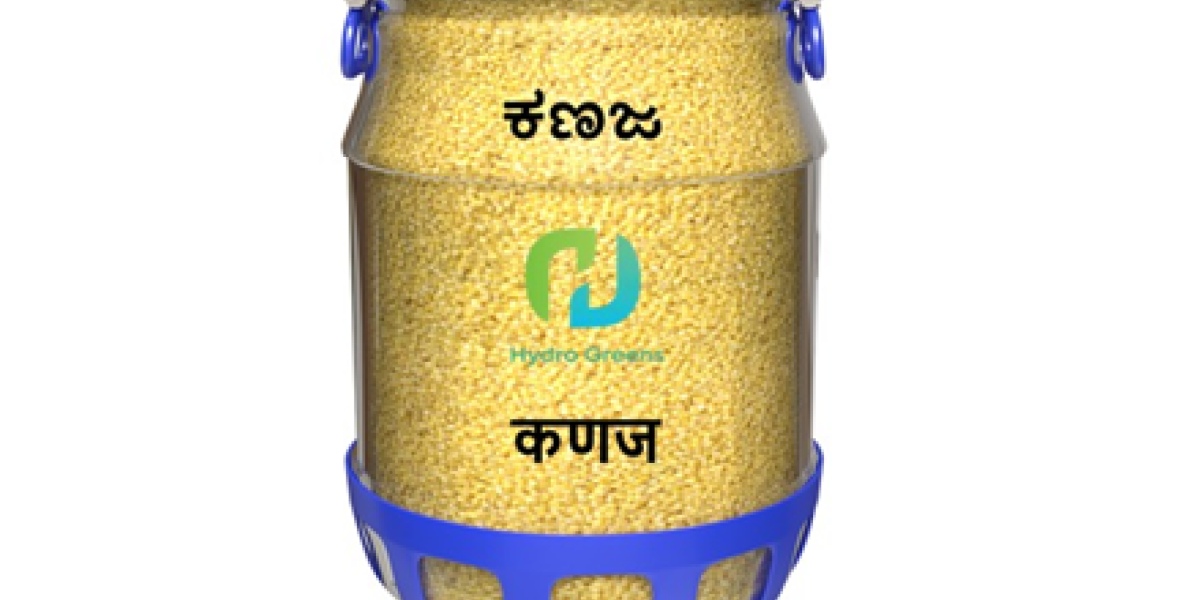
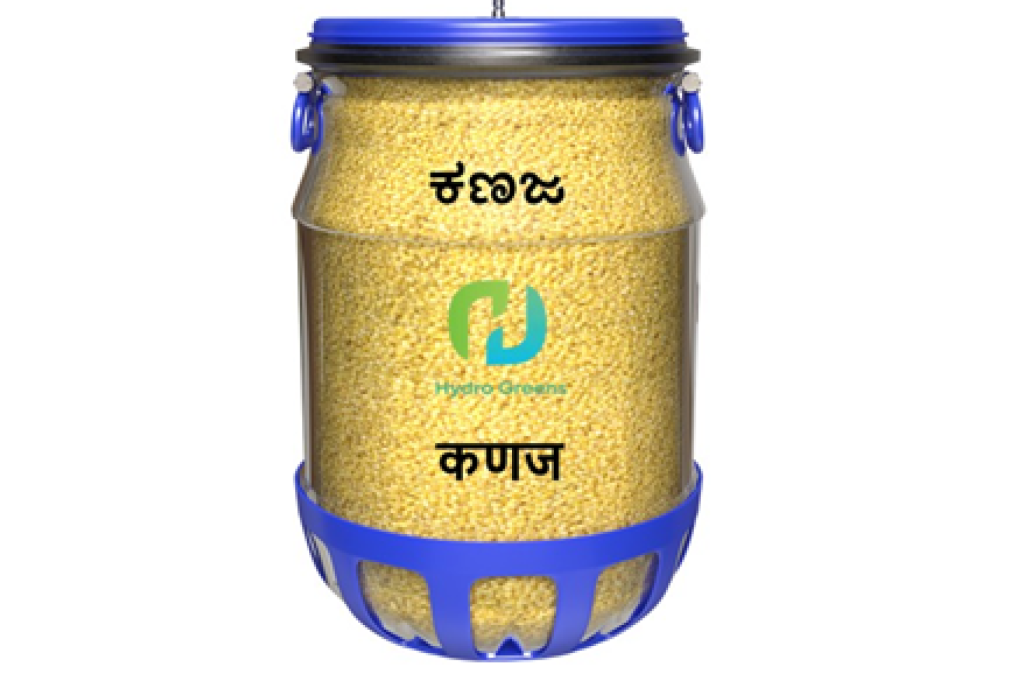
The answer lies in Modified Atmosphere Packaging (MAP). By controlling the storage environment, “breath” of the seed, we can put it into a state of suspended animation. There wouldn’t be the need for any chemicals, dormant eggs or pests in the seed would have been neutralized, as we would replace the internal air with Co2. Allowing farmer to store the seeds for over a year. We named this #postharveststorage solution as KANAJ, inspired from the ancient methods of storing paddy seeds.
Having solved the storage problem now we need to solve the last mile distribution challenge. We have been sending seeds to some of our select customers despite the landing cost being higher, but we realized we need to shift from “Push” Model to a “Hub” model. Instead of shipping to 1000 farmers individually, We need “Seed Leads” or Microentrepreneur hub per cluster, who could store say a 2 ton seed bank, ensuring farmers can get weekly or monthly supply in a bike.
Alternatively, we are looking out on ways to educate farmers on “Seed Diversification”. If maize is unavailable in the region, switch to secondary grain that is locally available. Many of our farmers have Ragi or others seeds and pulses they produce. They store a small portion for themselves which can still be leveraged albeit with a different growing protocol.
I look forward to collabs in creating a network for hyper local seed storage banks. Welcome any ideas, connects to ensure hydroponic farmers continue to utilize the systems, whether sold by us or others. Let’s ensure the “rocket” of hydroponic fodder doesn’t crash because of a missing link in the supply chain.